Learning Without Classrooms: How Location Shapes Intelligence
The classroom is a controlled environment designed to minimize distraction. But distraction is often just another word for "context."
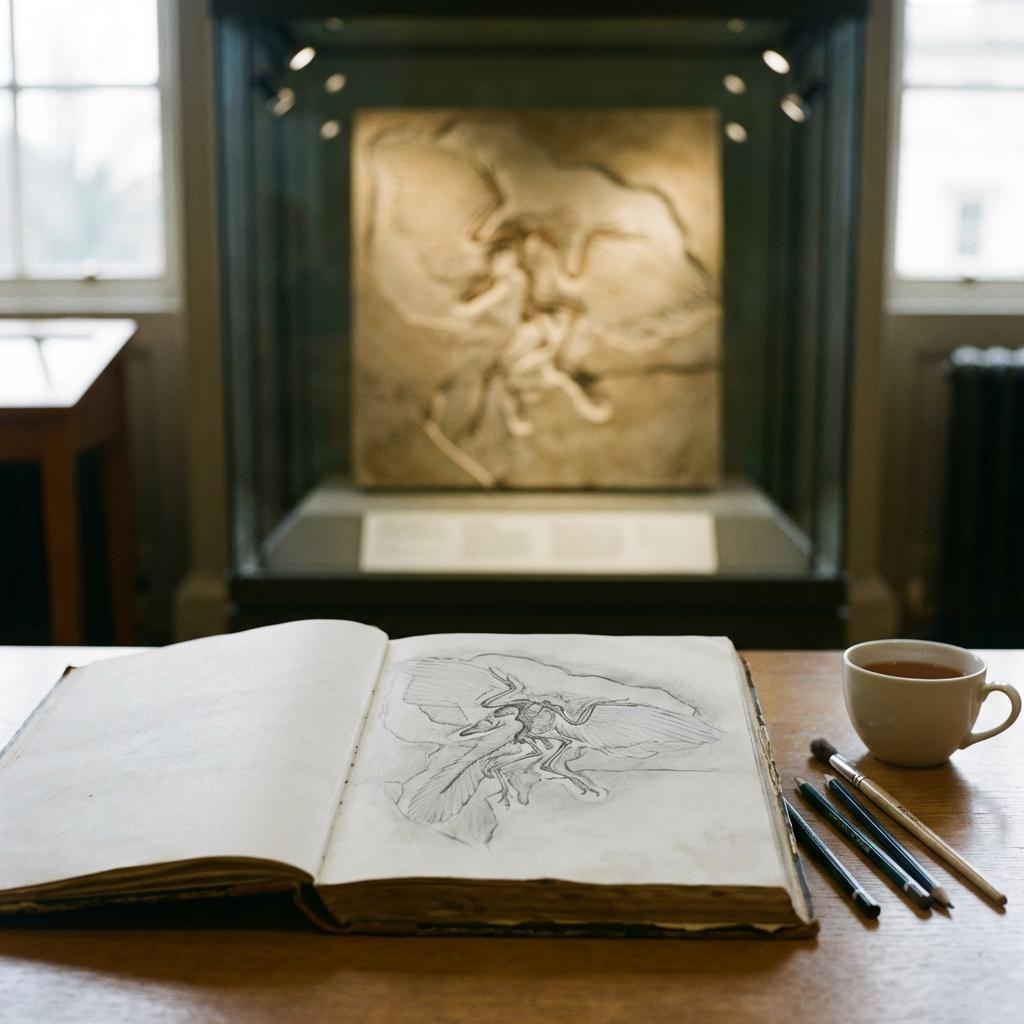
When I was homeschooled, my "geography class" was a road trip across the Southwest. My "biology class" was a week spent in a tide pool on the Oregon coast. My "economics class" was watching my parents navigate the complexities of a small business from the kitchen table. I didn’t learn from diagrams; I learned from the things the diagrams were trying to represent.
A classroom is an artificial abstraction. It separates knowledge from its environment. In a classroom, you learn about the French Revolution while sitting in a beige room in Ohio. The location has nothing to do with the content, and that disconnect signals to the brain that the information is "academic"—which is often code for "irrelevant to survival."
The Power of Context
When you learn in the location where the knowledge is used, your brain anchors that information to a sensory experience. You remember the smell of the ocean, the weight of the tool, the tension in the room. This is called "contextual learning," and it’s how humans have learned for 99% of our history. Location doesn't just house the learning; it shapes the intelligence.
The World as a Resource Grid
In a freedom-based life, you stop seeing "school" as a building and start seeing your city as a grid of resources. Libraries, workshops, museums, parks, and businesses are the real classrooms. When a child needs to learn something, they go to the place where that thing is actually happening. This bridges the gap between the "child's world" and the "adult's world," fostering maturity and social ease.
Location Check
- How many "real things" did your child interact with today?
- Does your child know where the library, the post office, and the local hardware store are?
- Why do we wait until adulthood to let people see how the world actually works?
Breaking the Beige Box
Environment influences mood, and mood influences learning. A child who is inspired by their surroundings learns faster and more deeply than one who is merely enduring them. For my own children, I want a life where "going to school" is replaced by "going into the world."
As I plan to homeschool, I’m prioritizing experiences that can’t be bottled up in a textbook. I want my children to know that the whole world is open for inspection—no hall pass required.