Socialization Outside School: What Actually Happens
The most common question I get as a former homeschooled adult is "But what about socialization?" The question assumes that school is the only place where humans can learn to be human.
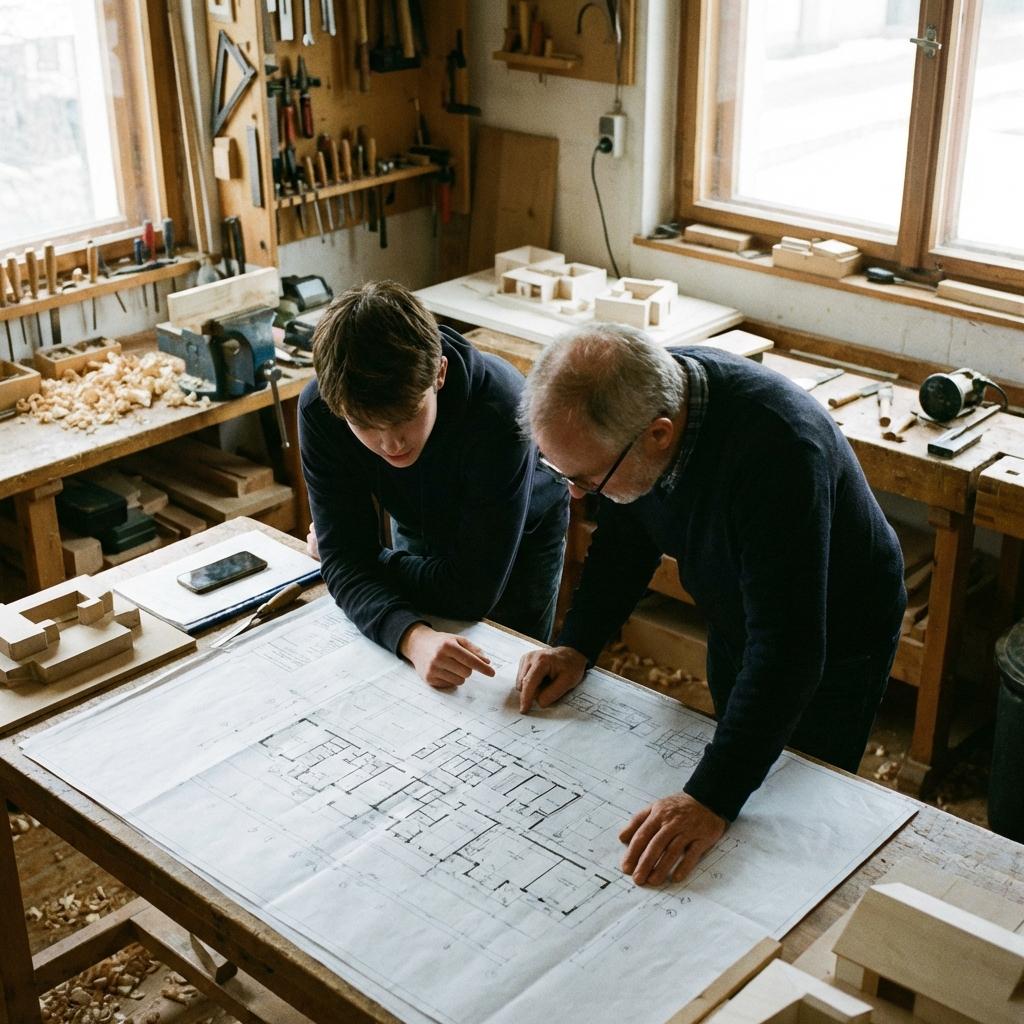
When I was homeschooled, I didn't spend my days in a vacuum. I spent them interacting with librarians, grocery clerks, my parents' colleagues, younger children, and older adults. I didn’t have "social time" scheduled for 20 minutes between math and history. My socialization was the fabric of my entire day.
The "socialization" that happens in a school is a highly specific, highly artificial form of interaction: it is the interaction of peers who are all exactly the same age, in the same economic bracket, in the same neighborhood. This is not how the real world works, and it’s not how human social skills are best developed.
The Peer-Silo Problem
By batching children by age, schools create a "Lord of the Flies" dynamic where children look to other children for social cues. This leads to the reinforcement of immature behaviors, the birth of cliques, and the development of a social hierarchy that has no parallel in the adult world. In the real world, you are rarely siloed with people born in the same year as you.
Mixed-Age Maturity
One of the most striking things about homeschooled and unschooled children is their ability to hold a conversation with an adult and play gently with a toddler. This is because they have spent their lives in mixed-age environments. They aren't "socialized" to fit into a grade; they are socialized to fit into humanity.
Social Check
- How many "real-world" adults (not teachers) did your child talk to this week?
- Does your child feel comfortable asking a librarian for help or ordering their own food?
- Is "being social" about following peer trends, or about being a contributing member of a community?
Social Ease vs. Social Strategy
In school, socialization is often a defense mechanism—you learn to navigate a complex, often hostile social environment. In a freedom-based life, socialization is a collaborative tool. You learn to speak to elders for wisdom, peers for partnership, and juniors for mentorship.
As I plan to homeschool, I’m not worried about my children "missing out" on the social dynamics of middle school. I want them to miss out on the insecurity and the siloing. I want them to grow up with the ease of someone who knows they belong in the whole world, not just a classroom.