Unschooling Without the Woo: A Grounded Explanation
Unschooling often gets wrapped in mystical language about "child-led discovery." But if you look at it through the lens of cognitive science and professional competence, it’s the most logical way to learn.
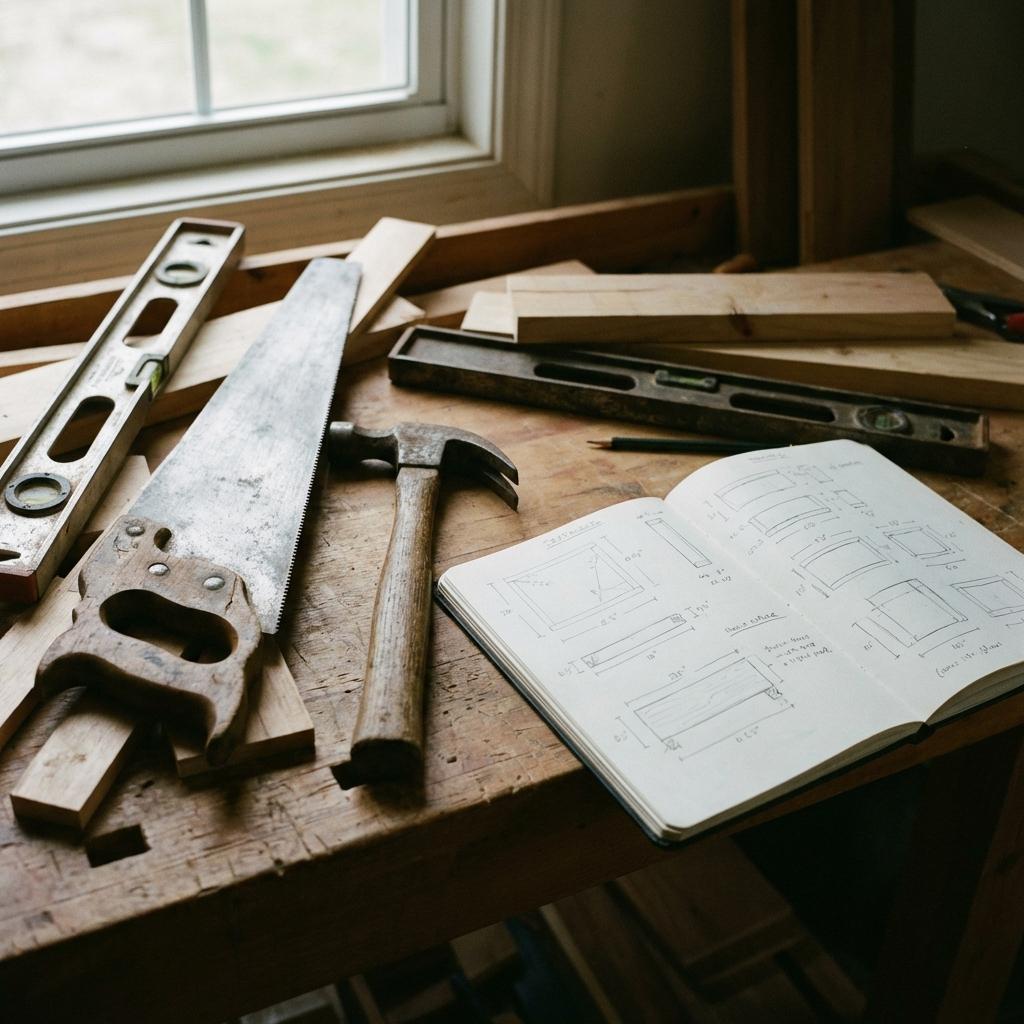
When I was homeschooled, I didn't tell people I was "unschooled" because I didn't know the word. I just knew that if I wanted to learn how to build a computer, I went and found the parts, read the manuals, and built it. There was no "curriculum" for computer building in my life; there was just a goal and a set of resources. That is unschooling in its most grounded form.
Unschooling is not "parental neglect." It is not "doing nothing." It is the deliberate choice to allow a learner's curiosity to drive the acquisition of knowledge. It is based on a simple, observable truth: humans learn best when they have relevance and autonomy.
Relevance: The Why of Learning
In school, you learn algebra because it’s on page 42 of the textbook. In an unschooling life, you learn algebra because you want to calculate the load-bearing capacity of a bridge you’re designing in a physics project. One is abstract and easily forgotten; the other is concrete and becomes a permanent part of your toolkit. Relevance is the glue that makes knowledge stick.
Autonomy: The How of Learning
When you are given the autonomy to choose your path, you also inherit the responsibility for your progress. Unschooling builds the most critical skill for the 21st century: self-directed learning. If you can teach yourself how to learn, you are never truly unemployed or stuck. You become a lifelong acquirer of skills.
Grounded Questions
- Have you ever learned a complex skill (like a coding language or a craft) without a teacher? How did you do it?
- Why do we assume children are the only humans who need to be forced to learn?
- What is the difference between "teaching" and "resource provision"?
Unschooling is a Professional Model
Look at the world’s most successful entrepreneurs, artists, and engineers. Their work lives resemble unschooling: they identify a problem, seek out the necessary information, collaborate with mentors, and iterate until they solve it. Unschooling isn't a "radical alternative"; it's just the early adoption of how the most effective adults already live.
As I plan to homeschool, I’m not looking for a "lighter" version of school. I'm looking for a way to let my children start living like competent adults from day one.