Start Here: Freedom-Based Learning Explained
This guide is a roadmap for those who recognize that the factory school model is broken and are ready to reclaim their family's intellectual autonomy.

When I was homeschooled, I didn't think of my life as a "radical alternative." I just thought of it as life. But as an adult looking back, I realize that the most important thing my parents gave me wasn't a curriculum—it was the permission to be curios. This guide is designed to explain why that permission is the foundation of all real learning, and how you can begin the journey of providing it for your own children.
Part I: The Problem with Institutional Schooling
To understand why freedom-based learning works, you must first understand why the current system fails. The public school system was modeled after the Prussian military and the industrial factory. Its primary goal is not the flourishing of the individual, but the production of a compliant, predictable citizen.
The Cost of Batching
By grouping children strictly by age, we force them into a social and intellectual vacuum. We assume that because two children were born in 2015, they should both be ready to learn long division on the same Tuesday in October. This assumption is biologically absurd and educationally destructive.
The Erasure of Flow
Real thinking requires "flow"—periods of intense, uninterrupted focus. School is designed to interrupt flow every 50 minutes. This trains children to be fragmented, to expect distraction, and to avoid deep engagement with any subject.
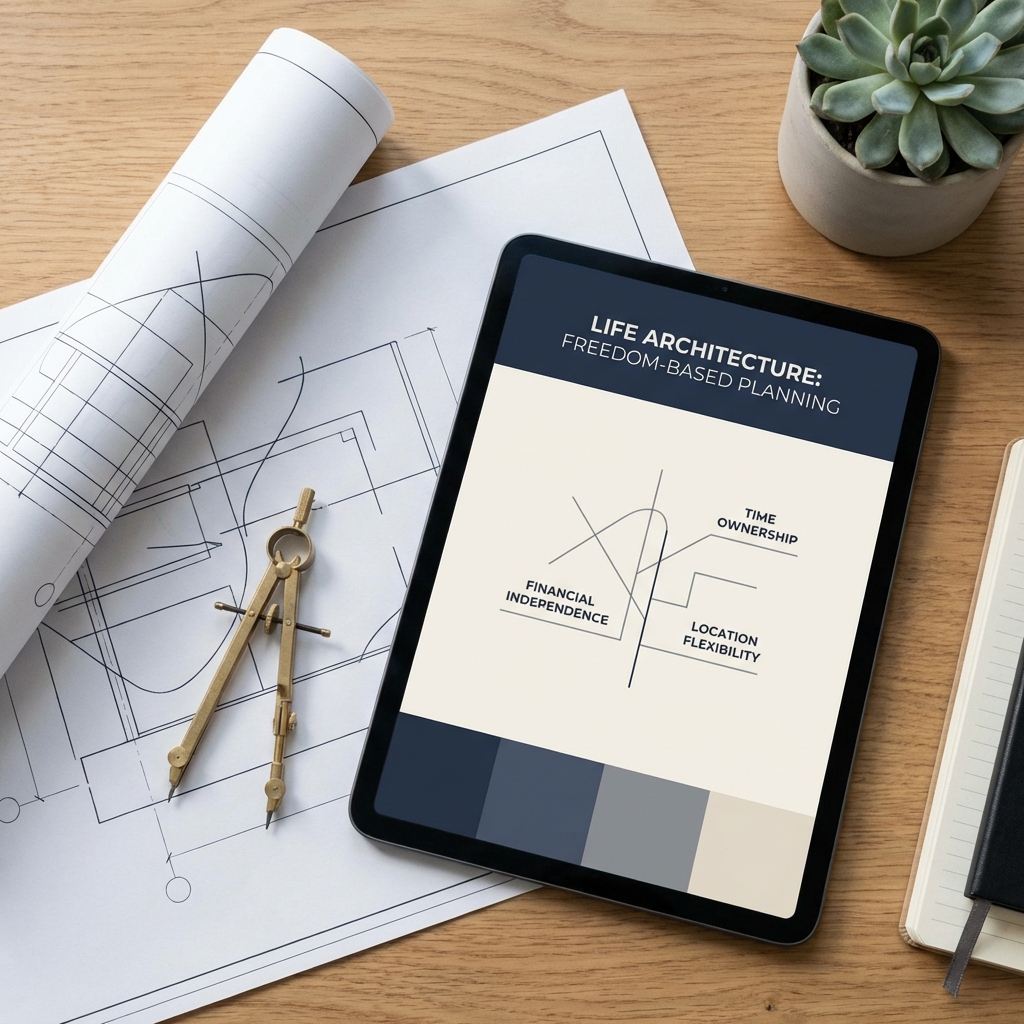
Part II: The Freedom-Based Alternative
Freedom-based learning (including unschooling, worldschooling, and self-directed education) operates on a completely different set of principles. It assumes that children are natural-born learners who don't need to be managed, but do need to be supported.
Relevance Over Rote
In a freedom-based life, you learn things because they are relevant to your goals. If you want to build a website, you learn HTML. If you want to bake bread, you learn biology and math. Because the knowledge is applied immediately to a real-world problem, it becomes a permanent part of your competence.
Autonomy Over Compliance
Autonomy is the primary driver of motivation. When a child owns their education, they bring a level of intensity to their work that no school assignment can match. My most productive days as a homeschooled teen were the ones where I was trying to solve a problem I had identified for myself.
Part III: How to Start
Transitioning to a freedom-based life isn't a weekend project. it's a fundamental shift in how you view your children and your role as a parent.
The Principles of Implementation
- Decompress First: Give your child (and yourself) space to unlearn the habits of the institution.
- Focus on Resources, Not Instruction: Your job is to provide the books, the tools, the mentors, and the internet access—then get out of the way.
- Measure Output, Not Input: Don't count "hours of study." Look at what they are building, writing, and asking.
This is not a path of less work; it's a path of different work. It requires more trust, more observation, and more intentionality than simply dropping a child off at a building. But the result—a child who is competent, curious, and free—is worth every ounce of effort.