The Transition Guide: Leaving the School Factory
A roadmap for the first 12 months of freedom.
The decision to leave the school system is rarely a smooth one. It usually follows years of quiet dissatisfaction, a sudden crisis, or a slow realization that the factory model is breaking your child's spirit. But once you make the leap, the question shifts from "Why?" to "Now what?"
This guide is designed to help you navigate the practical and psychological hurdles of the first year outside the walls.
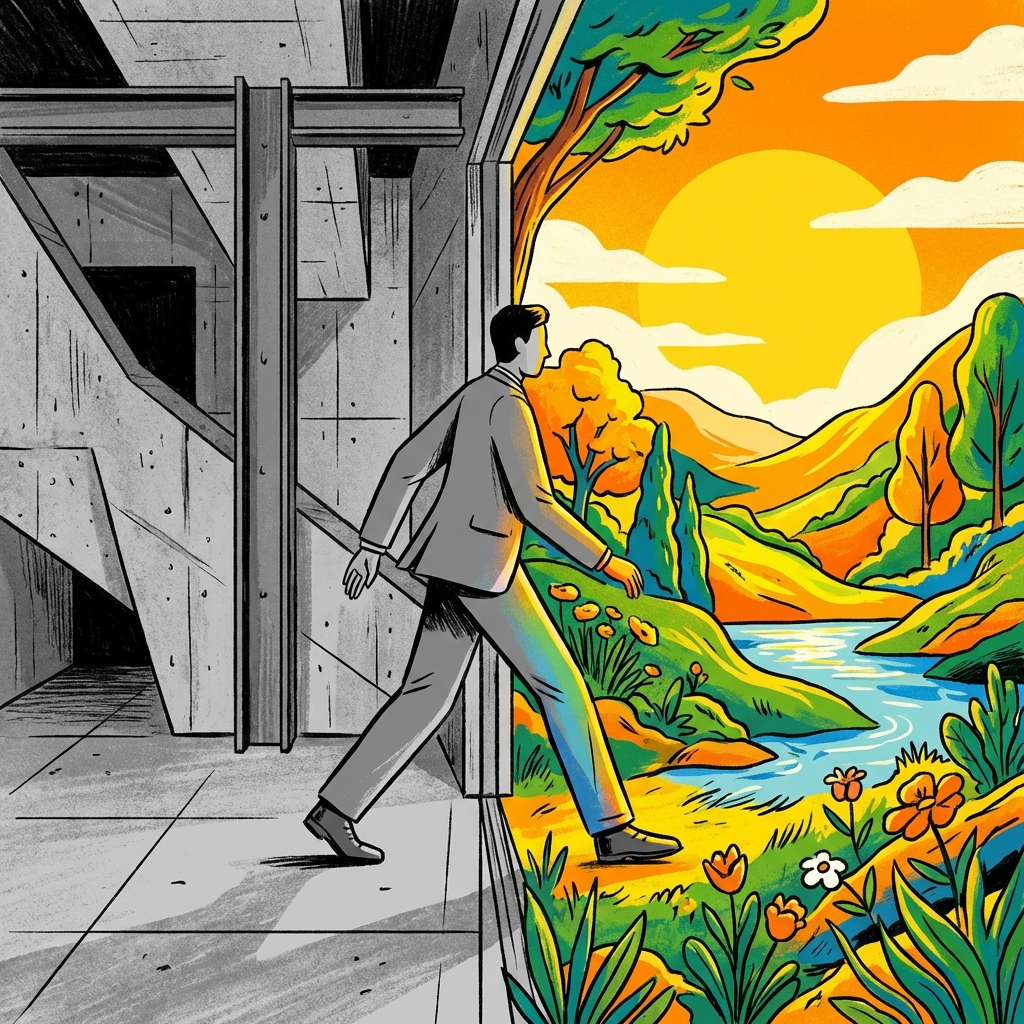
1. The Legal Step (The Easiest Part)
People often fear the "law" most, but in reality, the legal requirements for homeschooling are usually just a bit of paperwork. Whether you're in a highly regulated state or a "hands-off" one, the process is the same: follow the rules, keep your records, and remember that the state is not your teacher.
- Notice of Intent (NOI): Most regions require a simple letter stating your intention to educate at home.
- Record Keeping: You don't need a formal ledger. A simple diary of experiences, books read, and projects completed is often more than enough.
- Testing vs. Evaluation: Understand your local requirements for year-end checks. Many families choose independent evaluations over standardized tests to avoid bringing the school metrics into the home.
2. The Decompression Period
If your child has spent years in school, they don't need a "new curriculum" the day they leave. They need to decompress. For every year spent in school, experts suggest at least one month of doing absolutely nothing academic.
This period is for reclaiming curiosity. Let them sleep late. Let them read "trash" books. Let them be bored. Boredom is the soil from which genuine interests grow.
Warning: You will panic during this phase. You will see your child playing video games or staring at a wall and think they are "falling behind." Remind yourself: they aren't falling behind; they are coming back to life.
3. Redefining "Productivity"
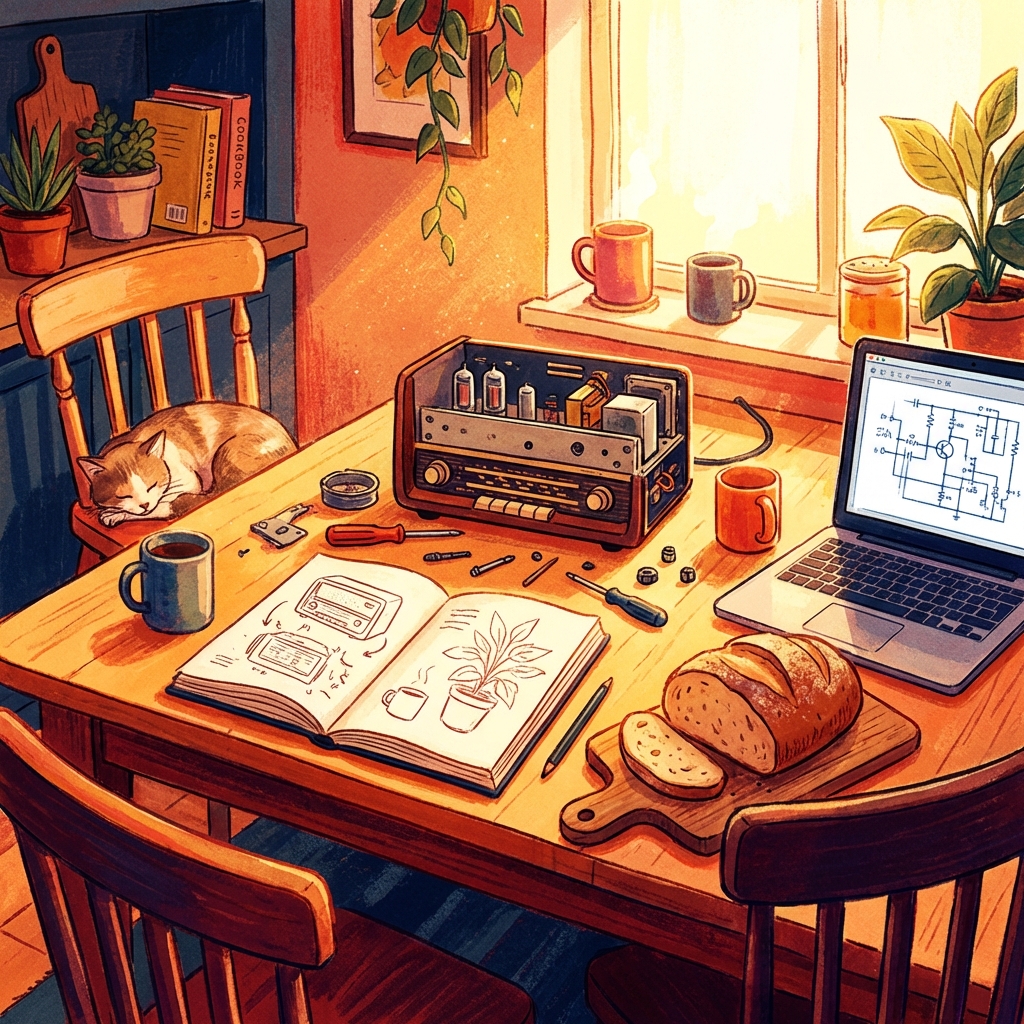
In school, productivity is measured by worksheets completed and hours spent in a desk. In a freedom-based life, productivity is measured by engagement.
When a child spends six hours deep in a coding project, they haven't "wasted the day." They've done more deep work than an entire week of 50-minute classroom blocks could ever provide.
4. Managing the "Socialization" Question
You will be asked about socialization. Often. By grandparents, neighbors, and strangers at the grocery store.
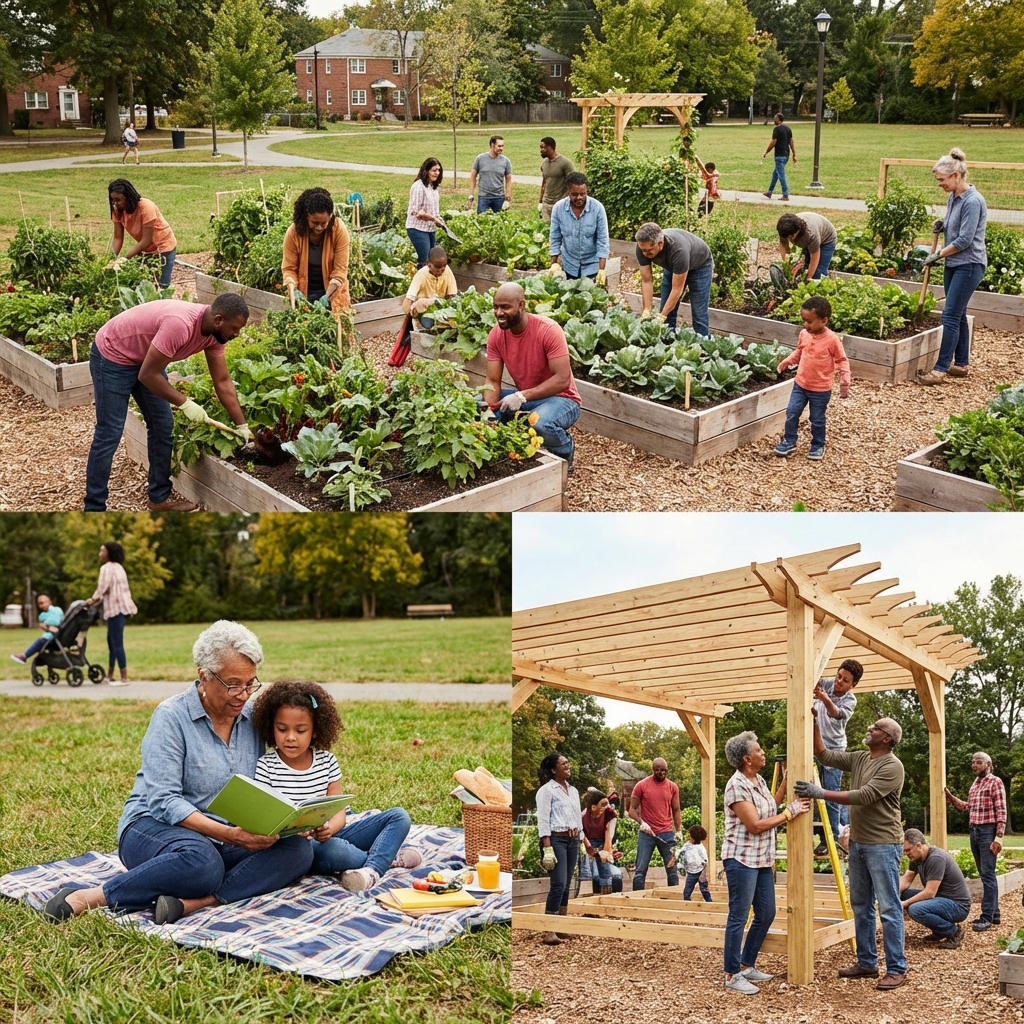
Remember: School socialization is artificial. It’s the only time in a human life where you are segregated into a room with 30 people exactly your age. Real-world socialization happens in libraries, parks, volunteer organizations, and multi-generational community groups. Your child will learn to talk to adults and toddlers, not just their peers.
The Journey is the Destination
Unschooling isn't a destination you reach. It's a way of living that prioritizes human agency over institutional compliance. The first year is just the beginning.
Back to Guides